




Become a Certified Leadership Intelligence Coach
Lead with clarity. Coach with science. Grow with purpose. Powered by Behavior Intelligence (BIQ).

Trusted by:





Leadership today demands more than emotional intelligence. It demands Behavior Intelligence.
Certified credibility
Practical behavior-driven methods
Business growth platform
Global network of professionals
How You Will Build and Grow
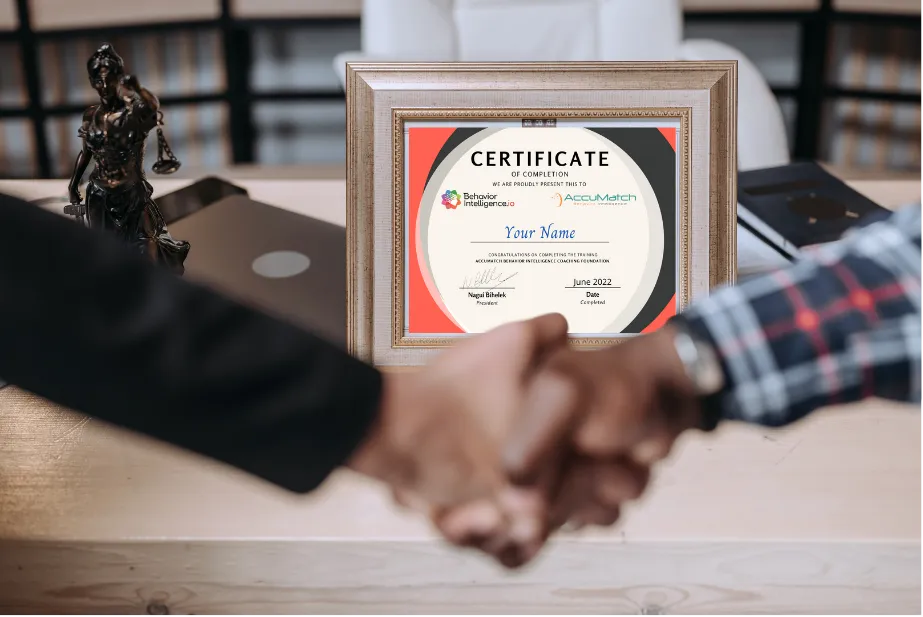
Get Certified
Become a Leadership Intelligence Coach

Master Behavior Intelligence
Train, Practice, Apply

Grow Your Business
Use our tools and support systems
What’s New in Behavior Intelligence
★ FEATURED
COARS – The Gateway Framework for Leadership Growth
Most leadership assessments tell you who you are. But leaders often struggle to turn insight into action.
Knowing your style rarely changes how you lead teams, make decisions, or build effective systems.
COARS is a new framework designed to bridge that gap. It guides leaders through a clear progression.
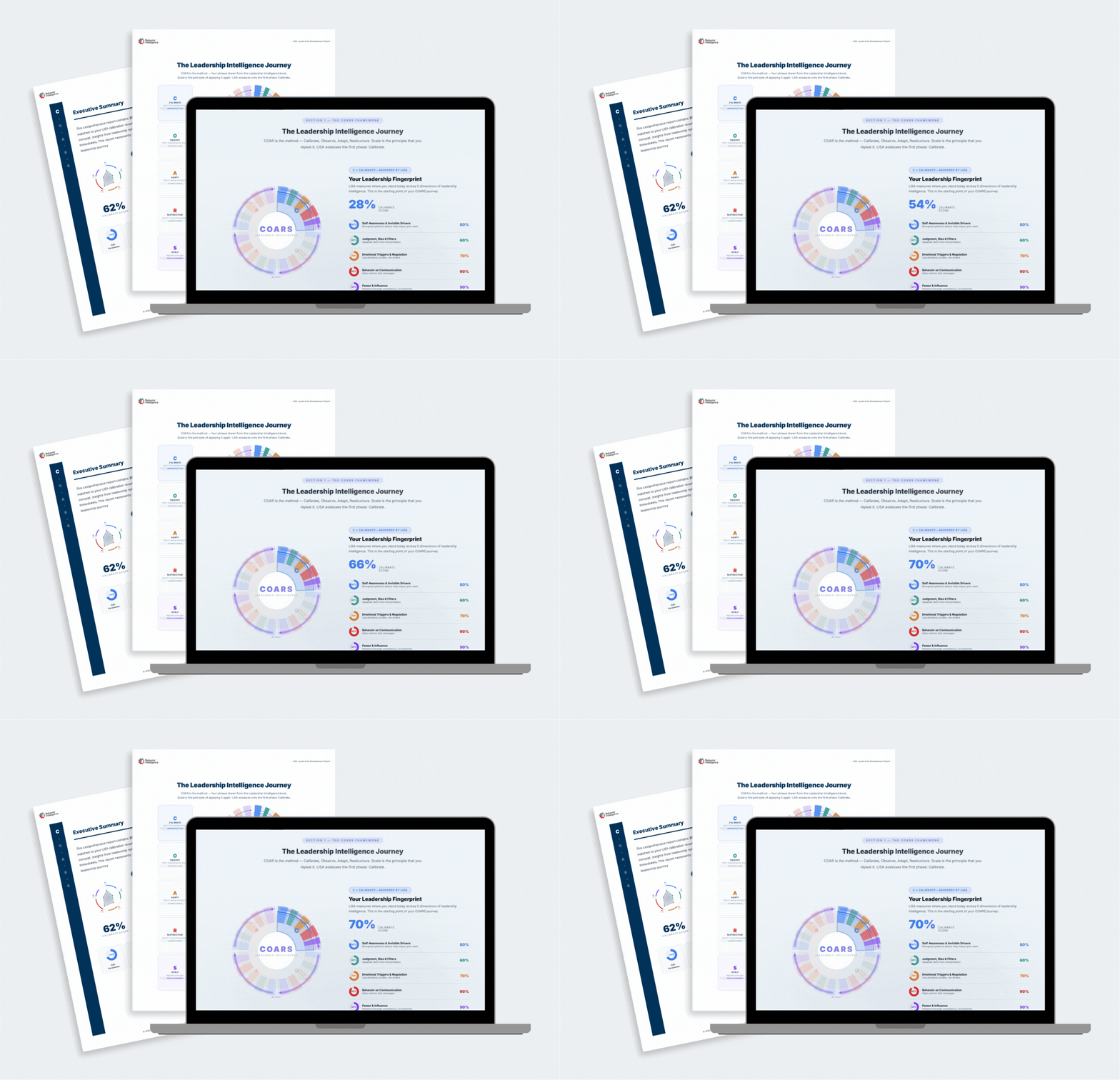
Calibrate → Observe → Adapt → Restructure → Scale
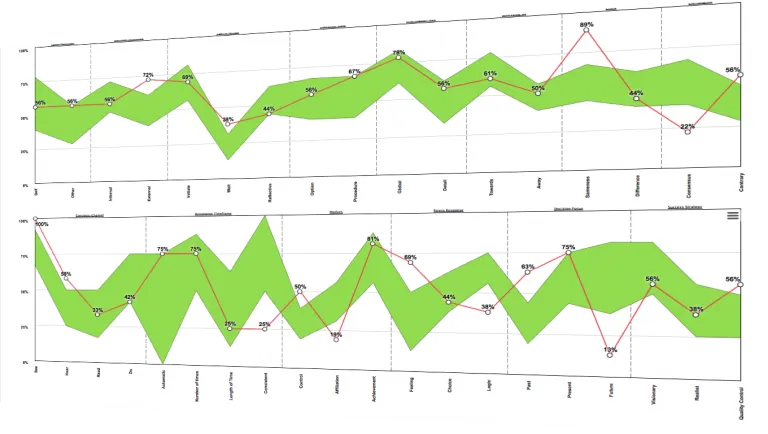
Start with Calibrate through the Leadership Intelligence Self-Assessment (LISA) to understand your current leadership baseline. From there, COARS helps you turn insight into intentional behavior change, improving both your leadership impact and team performance.
ALSO NEW
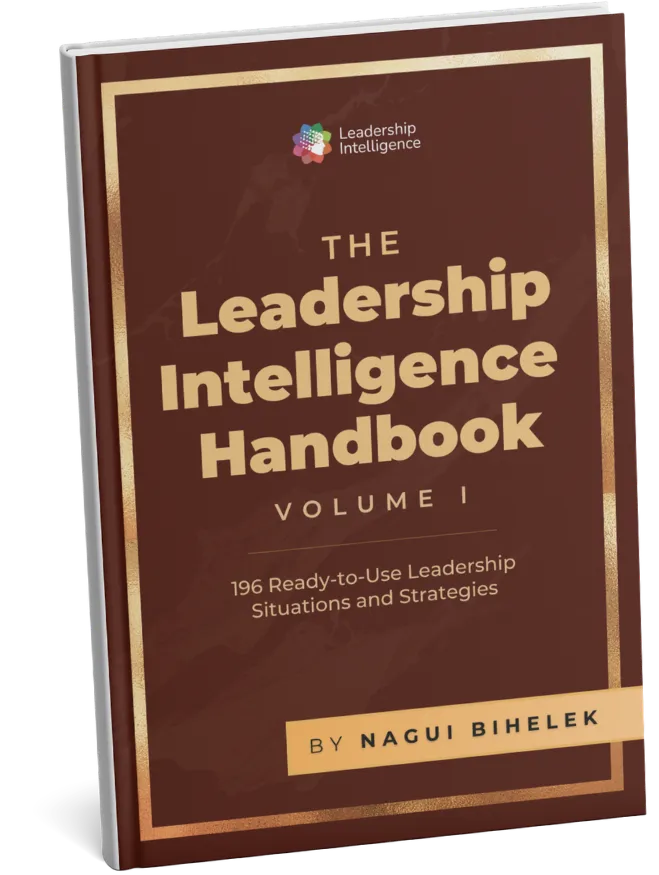
Leadership Intelligence Handbook Vol. 1
Learn how to respond in real time using 196 leadership scenarios.
Where are you starting from?
Executive transitioning to coaching?
Experienced coach seeking edge?
Organization building leaders?
Your Complete Coaching Advantage
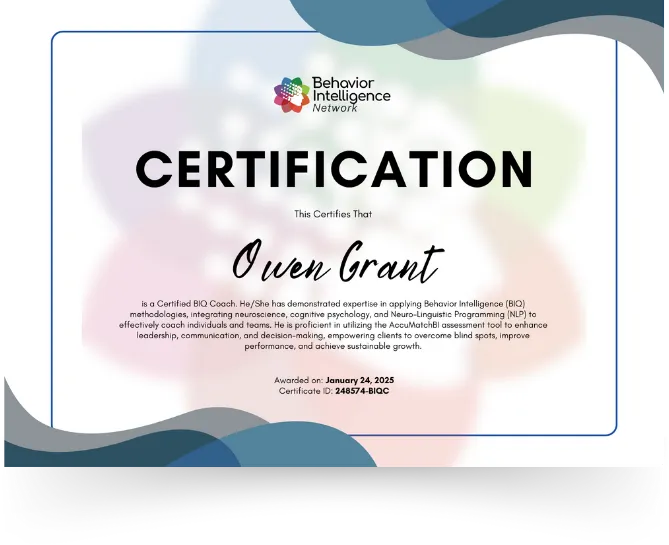
Certification
Leadership Intelligence, Behavior Intelligence, AccuMatchBI

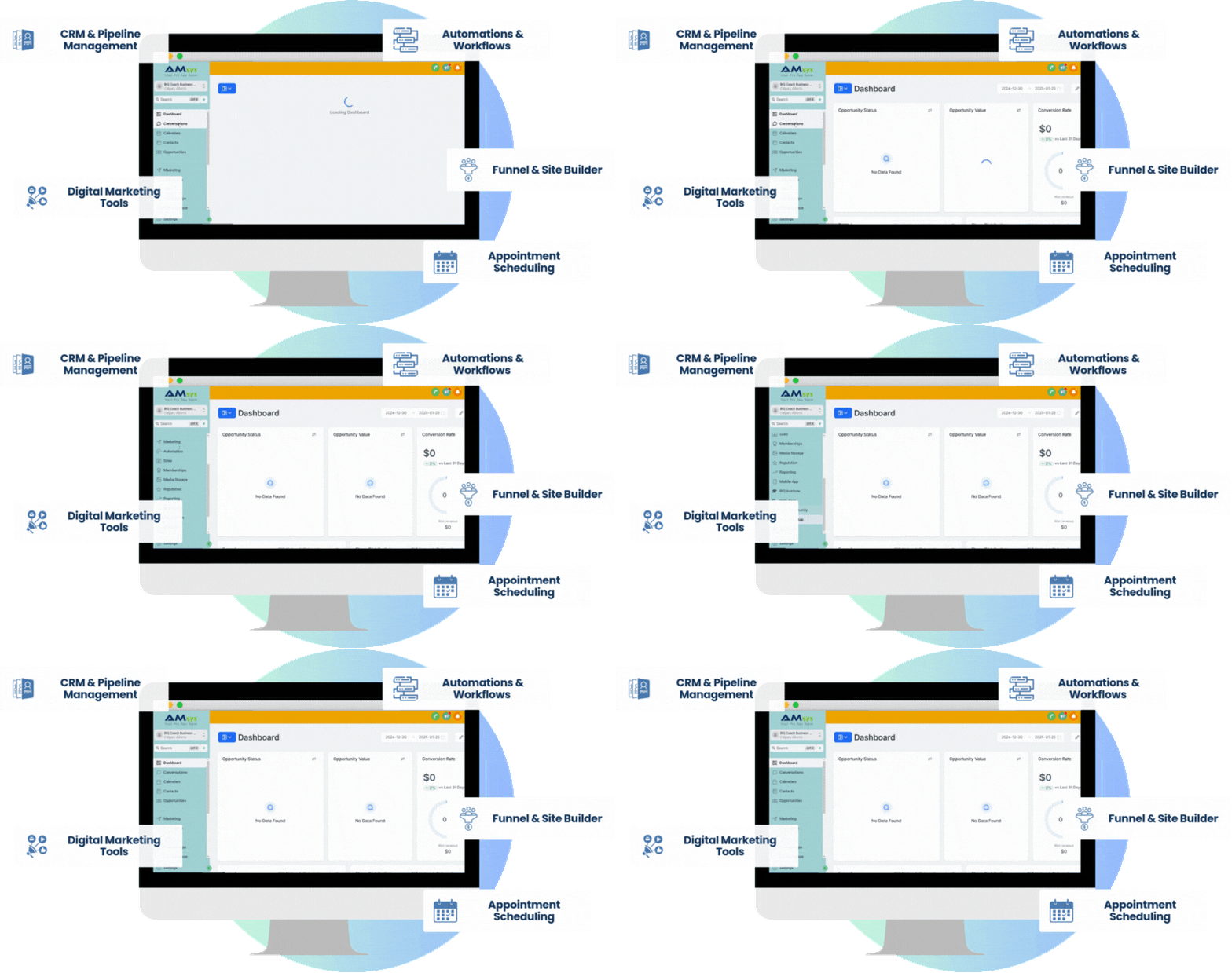
Business Platform
CRM, Marketing Systems, Templates
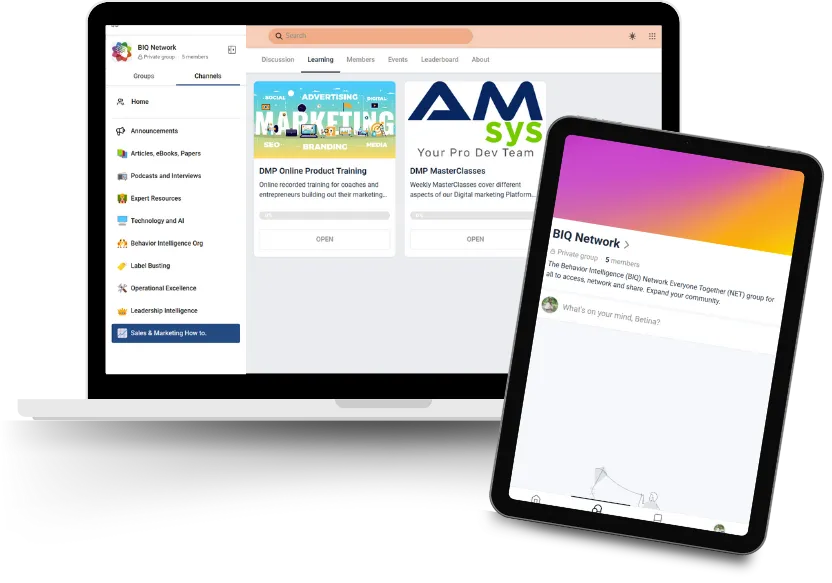
Community & Ongoing Growth
Access to BIQ Experts and Peer Network
OUR BRANDS




Ready to Lead with Intelligence?
Latest From The Blog

Behavior as the Core of Organizational Intelligence
Organizations today have more data than ever before. Dashboards, analytics platforms, reports, and AI tools promise deeper insight and better decision-making.
Yet many leaders still ask the same question:
“Why aren’t we getting smarter?”
The answer is surprisingly simple. Intelligence in an organization is not determined by how much data you collect or how sophisticated your analytics are.
Real organizational intelligence comes from behavior.
When teams consistently practice the right behaviors—questioning, observing, learning, adapting—data becomes insight and insight becomes action. Without those behaviors, even the best data systems simply produce noise.
Let’s explore the key principles that turn behavior into the core engine of organizational intelligence.

Intelligence Isn’t What You Know—It’s How You Behave
Many organizations invest heavily in knowledge: training programs, leadership courses, assessments, and certifications.
But knowledge alone rarely changes results.
You can have the most educated team in the world, yet still struggle with performance, innovation, or agility. The reason is simple:
Results come from behavior—not intentions, not mindset, and not knowledge.
People often complete assessments or leadership programs, receive detailed reports about themselves, and then… nothing changes. The insights sit in a drawer while daily habits remain the same.
Organizational intelligence emerges when behaviors become consistent routines, not occasional insights.
Key behaviors that drive intelligence include:
Curiosity and questioning
Observing patterns in systems and people
Experimenting with new approaches
Reflecting on results
Continuously adjusting actions
When teams practice these behaviors repeatedly, they become automatic—what psychologists call unconscious competence.
That is when intelligence becomes embedded in the organization.
Data Without Behavior Is Just Noise
Organizations have invested billions in analytics tools, dashboards, and data infrastructure. Yet many leaders quietly admit:
The dashboards exist—but nothing really changes.
Why?
Because data only becomes valuable when behavior turns it into action.
Without behavioral rituals around data:
Alerts go unnoticed
Reports are ignored
Dashboards become background noise
For data to create real intelligence, organizations need behavioral practices such as:
Regular dashboard reviews during team meetings
Curiosity-driven conversations about patterns and anomalies
Cross-team discussions about insights and results
Daily or weekly huddles focused on improvement
These don’t need to be long meetings. Often, a 5–10 minute daily huddle is enough to keep teams aligned and responsive.
The key is consistency. Data must become part of daily behavior—not just a reporting tool for executives.
Agility Comes From Behavior, Not Plans
Many organizations invest enormous time building strategic plans designed to improve agility.
Yet when disruption arrives—new competitors, shifting markets, unexpected challenges—the response is often slow.
The issue isn’t the plan.
It’s the absence of behaviors that support agility.
True organizational agility comes from teams that habitually:
Monitor market changes
Observe competitors
Analyze trends regularly
Discuss emerging risks
Experiment with rapid responses
When these behaviors are embedded into everyday work, organizations can sense, interpret, and respond quickly.
Without them, even the most detailed strategic plans remain theoretical.

Culture Is Observable Behavior
Culture is often described in mission statements, values posters, and leadership speeches.
But culture is not what an organization says.
Culture is the consistent behavior of the group.
If an organization claims to value innovation but employees rarely share ideas, challenge assumptions, or experiment with new approaches, then innovation isn’t part of the culture.
It’s just a slogan.
Real culture emerges from habits such as:
Knowledge sharing across departments
Asking questions about performance data
Running internal learning sessions
Encouraging experimentation and reflection
For example, simple practices like internal “lunch and learn” sessions can dramatically increase knowledge exchange and collaboration.
Culture is built through repeated behavioral patterns, not declarations.
Organizations Don’t Change—People Do
Many transformation initiatives fail because leaders focus primarily on systems and tools.
They implement new platforms, new processes, and new frameworks—then expect immediate adoption.
But change rarely works that way.
When new systems are introduced, people naturally experience friction. They fall back into familiar habits unless the organization actively supports the behavioral transition.
Successful transformation requires:
Champions and early adopters who lead by example
Recognition and reinforcement for new behaviors
Support systems that help people adapt
Time and repetition to build new habits
In other words, transformation is not a technical project.
It is a behavioral evolution.
Make Behavior the Heartbeat of Your Organization
One of the most common barriers to organizational intelligence is silos.
Different teams learn valuable lessons from clients, projects, and experiments—but those insights remain isolated.
When knowledge stays trapped in departments, the organization loses enormous potential.
The solution is to make behavior the heartbeat of the organization.
This means creating regular practices that encourage cross-pollination of ideas:
Cross-team project reviews
Knowledge-sharing sessions
Internal workshops
Peer learning conversations
Organizational “pulse checks”
Even simple practices—such as pairing colleagues for conversations or sharing insights between teams—can unlock significant growth.
Organizations that institutionalize these behaviors often discover new opportunities, stronger collaboration, and deeper client relationships.

The Six Core Principles of Behavior-Driven Intelligence
To summarize, organizational intelligence emerges when behavior drives how information is used.
The core principles include:
Behavior is more powerful than knowledge
Intelligence comes from action, not information.Data without behavior becomes noise
Insight requires curiosity, discussion, and interpretation.Agility is behavioral
Organizations respond faster when teams habitually observe and adapt.Culture equals consistent behavior
Values only matter when they appear in daily habits.People drive transformation
Systems support change—but people create it.Behavior must become the heartbeat of the organization
Intelligence grows when learning flows across teams.
When these principles work together, organizations move from data-rich to truly intelligent.
Where to Start
Behavior-driven intelligence doesn’t require massive restructuring.
Start small.
Choose one behavior you want to strengthen across your team and build a habit around it.
For example:
A weekly data review conversation
A daily improvement huddle
A monthly cross-team learning session
A structured reflection after key projects
Commit to practicing it consistently for several months.
Over time, those behaviors compound—and organizational intelligence grows naturally.
The Future of Intelligent Organizations
Technology will continue to evolve. AI, analytics, and automation will become even more powerful.
But the organizations that truly thrive will be the ones that understand a simple truth:
Intelligence is not a technology problem. It’s a behavioral one.
When behavior, systems, and culture align, organizations unlock extraordinary capability—turning information into learning, learning into action, and action into lasting results.
Take the Next Step
If you're ready to build a behavior-driven organization and develop leaders who turn insight into measurable impact:
Explore the Behavior Intelligence methodology
Discover the AccuMatch assessment system
Learn how to embed behavioral intelligence into your leadership and culture
👉 Apply for the Leadership Intelligence Certification or learn more about our programs at BIQorg.com.
Because the organizations that lead the future won’t just collect more data.
They’ll behave more intelligently.

Subscribe to our Newsletter!
Get the latest insights on coaching, behavior intelligence, & leadership.


Copyright 2025 • All Rights Reserved
Behavior Intelligence Organization is a Division of NLP Profiles Inc.
Terms of Use | Privacy Policy
Subscribe to our Newsletter!
Get the latest insights on coaching, behavior intelligence, & leadership.
Copyright 2026 • All Rights Reserved
Behavior Intelligence Organization is a Division of NLP Profiles Inc.
Terms of Use | Privacy Policy