





Become a Certified Leadership Intelligence Coach
Lead with clarity. Coach with science. Grow with purpose. Powered by Behavior Intelligence (BIQ).

Trusted by:





Leadership today demands more than emotional intelligence. It demands Behavior Intelligence.
Certified credibility
Practical behavior-driven methods
Business growth platform
Global network of professionals
How You Will Build and Grow

Get Certified
Become a Leadership Intelligence Coach

Master Behavior Intelligence
Train, Practice, Apply

Grow Your Business
Use our tools and support systems
What’s New in Behavior Intelligence
★ FEATURED
COARS – The Gateway Framework for Leadership Growth
Most leadership assessments tell you who you are. But leaders often struggle to turn insight into action.
Knowing your style rarely changes how you lead teams, make decisions, or build effective systems.
COARS is a new framework designed to bridge that gap. It guides leaders through a clear progression.
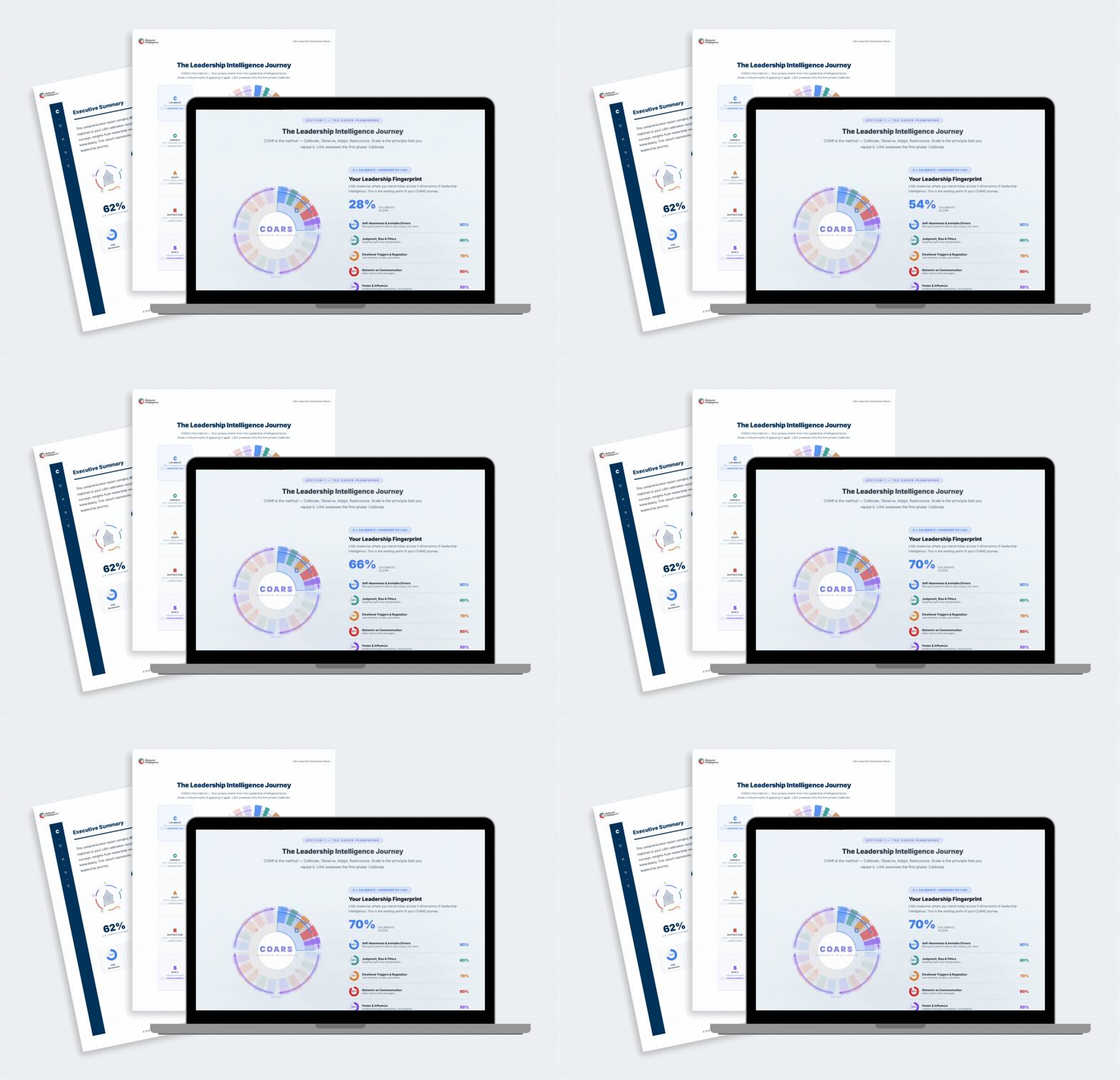
Calibrate → Observe → Adapt → Restructure → Scale
Start with Calibrate through the Leadership Intelligence Self-Assessment (LISA) to understand your current leadership baseline. From there, COARS helps you turn insight into intentional behavior change, improving both your leadership impact and team performance.
ALSO NEW
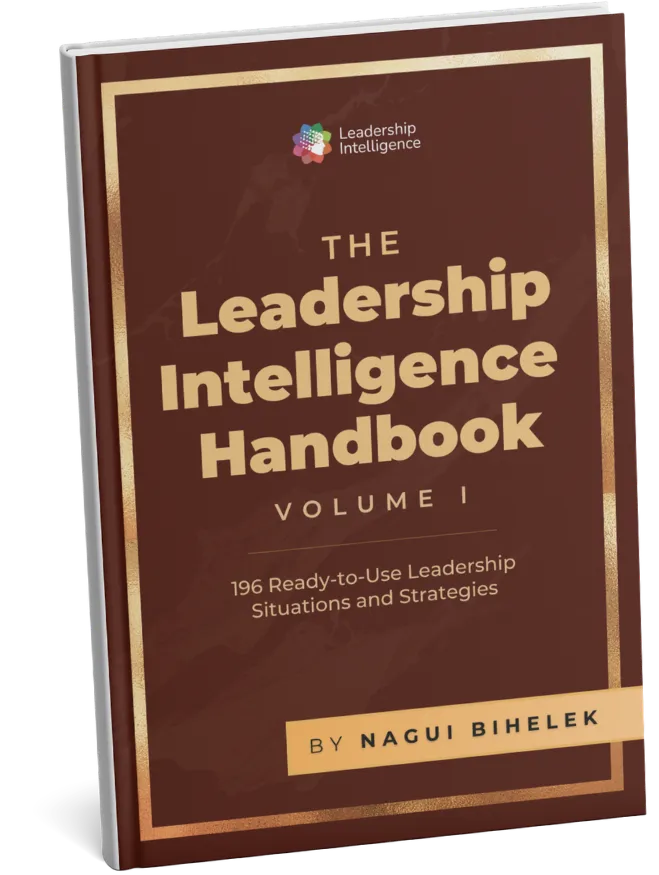
Leadership Intelligence Handbook Vol. 1
Learn how to respond in real time using 196 leadership scenarios.
Where are you starting from?
Executive transitioning to coaching?
Experienced coach seeking edge?
Organization building leaders?
Your Complete Coaching Advantage
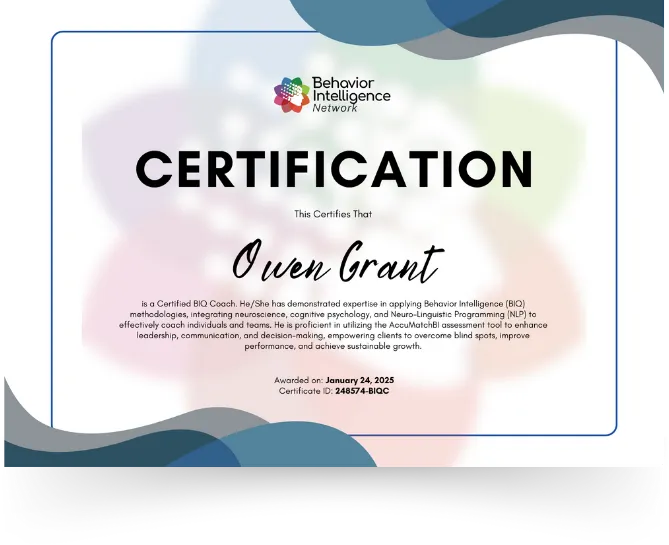
Certification
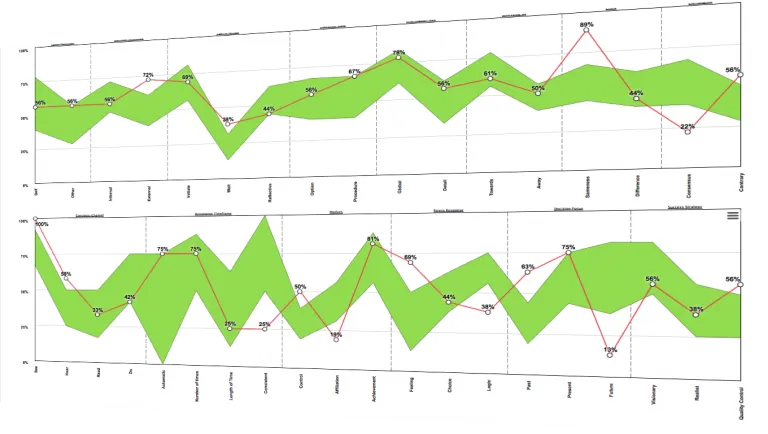
Leadership Intelligence, Behavior Intelligence, AccuMatchBI

Business Platform
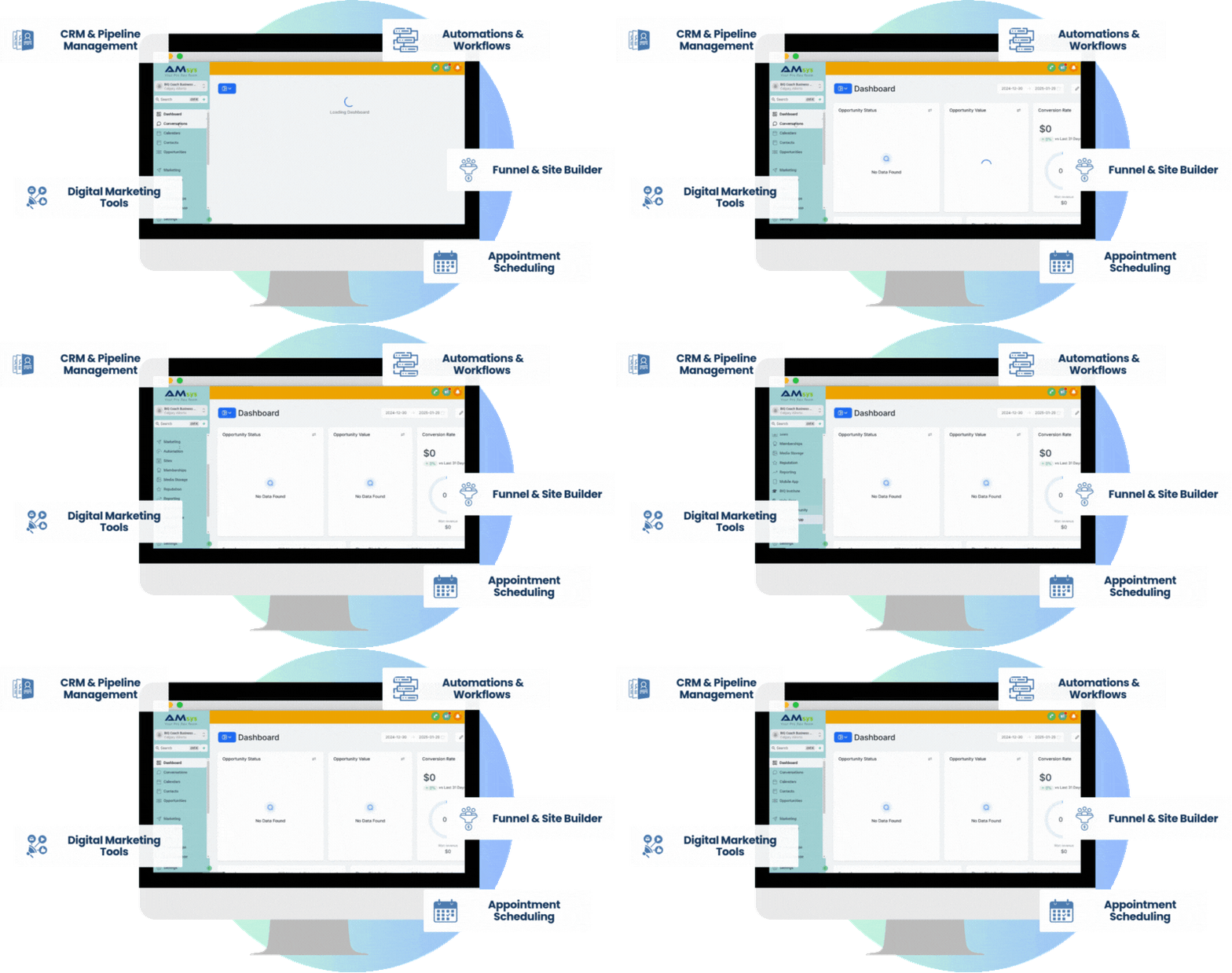
CRM, Marketing Systems, Templates
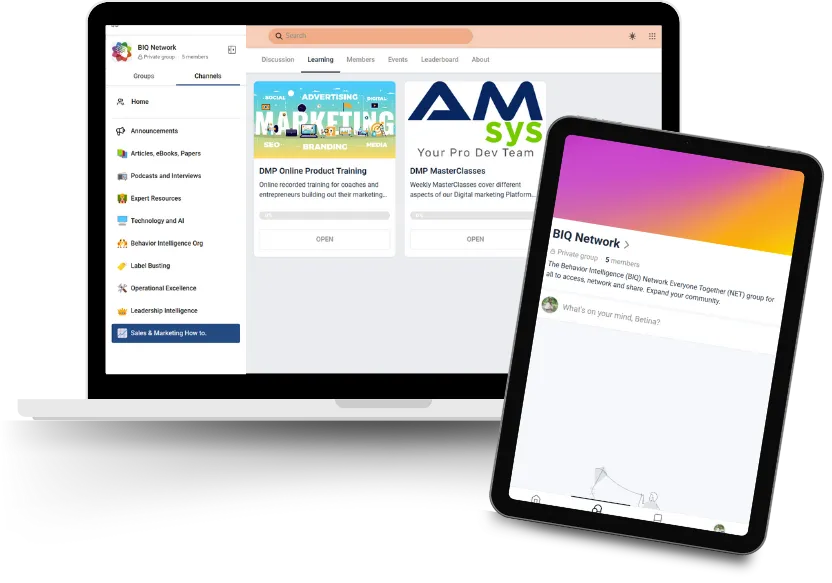
Community & Ongoing Growth
Access to BIQ Experts and Peer Network
OUR BRANDS




Ready to Lead with Intelligence?
Latest From The Blog
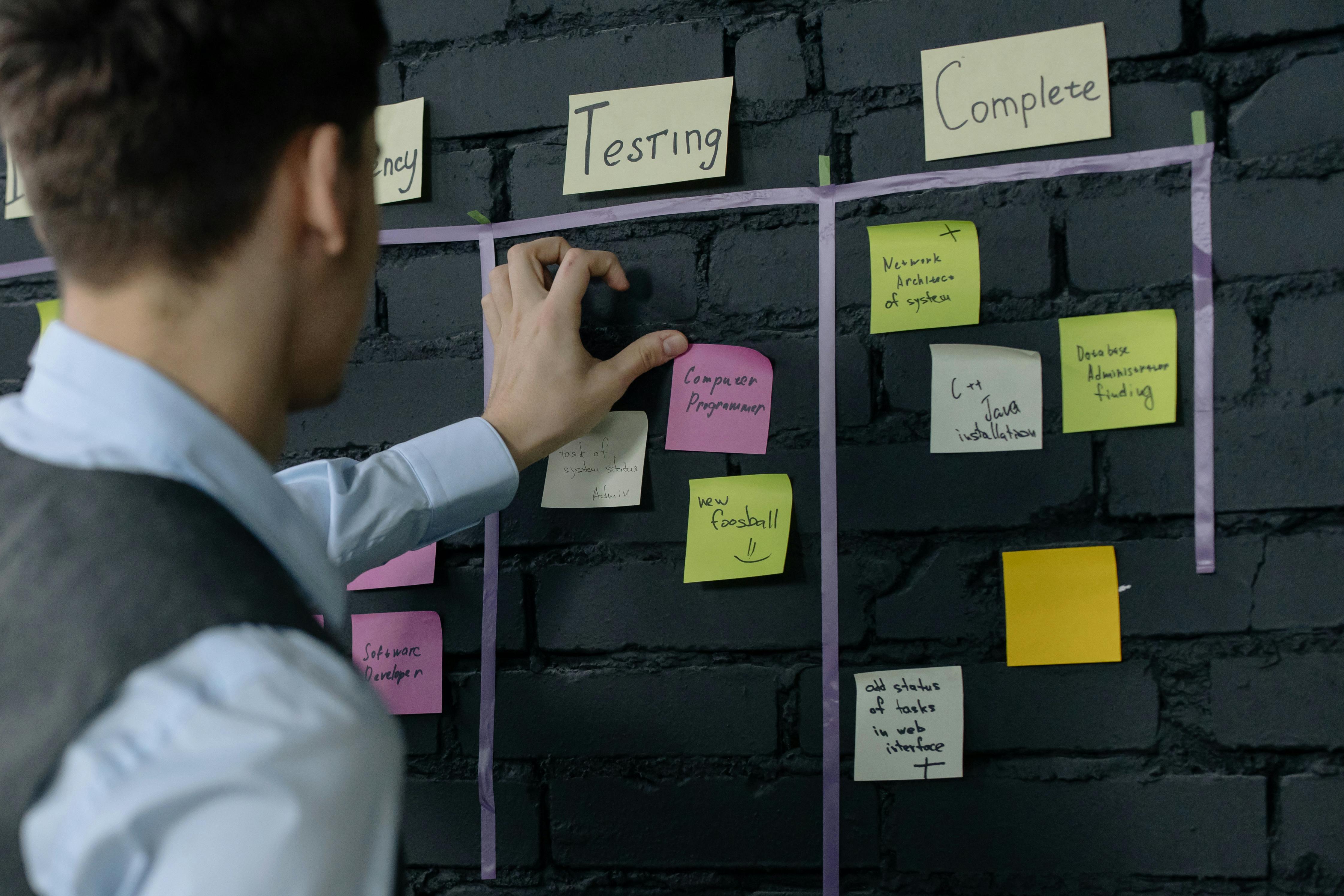
Why Your Processes Fail—And How to Design Systems People Actually Follow
Organizations don’t fail because people are resistant to change.
They fail because systems are designed in isolation from human behavior.
Over the last four decades working in transformation consulting and executive coaching, I’ve seen the same pattern repeat itself—new processes are launched, tools are rolled out, enthusiasm spikes… and then adoption quietly collapses. Three months later, leaders are frustrated, budgets are questioned, and the blame subtly shifts to “noncompliant” employees.
The truth is far simpler—and far more actionable:
Behavior drives systems, not the other way around.
If you want processes people actually follow, you must design for behavior first.

The Real Reason Process Adoption Fails
Organizations invest heavily in SOPs, CRMs, automation tools, and performance frameworks. Yet sustained adoption rarely exceeds a fraction of what was intended.
Why?
Because most systems are designed around:
How leaders think work should happen
How vendors designed their software
How policies are written on paper
Not around how people actually work.
When systems conflict with natural workflows, people don’t rebel—they revert. They quietly go back to what feels efficient, familiar, and safe.
This isn’t resistance.
It’s behavioral alignment.
Principle #1: Start With What People Do
The first rule of behavior-driven design is simple:
Observe reality before attempting improvement.
Too many organizations skip this step. They design processes from conference rooms rather than from lived experience.
Behavioral Shadowing
One of the most effective tools I’ve used for decades is behavioral shadowing—systematically observing how people actually perform their work.
This means:
Watching how tasks are completed end-to-end
Mapping informal workarounds and shortcuts
Identifying where systems support flow—or interrupt it
Shadow both:
People who follow the system closely
People who consistently work around it
Both perspectives reveal valuable intelligence.
When you map behavior first, systems can be designed to reinforce work instead of disrupting it.
When Systems Work Against Performance
Consider a common failure pattern:
A sales organization introduces a lead qualification checklist. Adoption spikes briefly—then drops below 20% within months.
Why?
Because if a system slows down quota attainment, it becomes optional—regardless of how well it was intended.
The same happens when:
Tools require duplicate data entry
Systems force people to jump between platforms
Logins, approvals, or workflows interrupt momentum
If systems create friction, behavior will route around them.
Principle #2: Systems Must Reinforce Behavior
Processes don’t create behavior.
Triggers do.
Systems must be designed to prompt action inside existing workflows—not outside them.
This includes:
Prompts appearing where work already happens
Automated reminders aligned with real task timing
Workflows that move forward without unnecessary handoffs
The Assumptions Stress Test
Every system is built on assumptions. Most are never tested.
Run an assumptions stress test by:
Identifying three core assumptions behind a process
Observing where behavior diverges from expectation
Experimenting with small changes instead of full rollouts
This approach reveals why tools aren’t being adopted—before frustration sets in.

Policies Don’t Create Behavior—Rituals Do
Organizations often assume that policies will naturally drive participation.
They don’t.
For example, peer recognition programs frequently fail—not because people don’t value appreciation, but because recognition isn’t embedded into daily rituals.
What works instead:
Assigned champions who model the behavior
Rotating ownership to create shared accountability
Ritualized moments that make participation automatic
Behavior becomes culture only through repetition.
And repetition requires structure.
Stop Blaming Noncompliance—Find the Friction
One of the most damaging leadership habits is labeling friction as resistance.
When employees skip steps, miss stages, or bypass systems, the instinct is to judge.
But friction is information.
Common friction points include:
Forced system switching
Repeated logins
Disconnected approval chains
Manual work layered onto automated processes
Before penalizing behavior, examine the system.
Often, the very people labeled “noncompliant” are revealing exactly where the process is broken.
Causality Loops: How Systems Sustain Behavior
Sustainable change doesn’t come from one-time improvements.
It comes from loops.
A causality loop connects:
A behavioral trigger
An automated response
A visible outcome
Reinforcement or reward
When designed properly, systems repeat the same behavioral pattern automatically—without constant oversight.
This is how organizations move from compliance to consistency.
Design Behavior Into Roles—Not Just KPIs
Most role descriptions focus on tasks.
Very few define behavior.
Yet behavior determines how results are achieved.
To correct this:
Identify 4–6 critical behaviors per key role
Define observable standards—not personality traits
Link behavior directly to performance outcomes
KPIs without behavioral design rely on hope.
Behavior-first roles create predictability.

Why One-Time Improvements Don’t Stick
Short-term gains—competitions, incentives, campaigns—create temporary spikes.
Then behavior resets.
Sustainability requires:
Micro-routines practiced daily
Simple metrics tracked consistently
Regular reinforcement and celebration
Training alone is not enough.
Behavior must be practiced until it becomes automatic.
Designing Systems That Respect Human Reality
One of the most persistent myths in organizational design is that people should adapt to systems.
In reality, people always adapt—just not in the way leaders expect.
When systems feel heavy, disruptive, or misaligned, people don’t confront them. They bypass them. They create parallel processes, informal shortcuts, spreadsheets, notes, memory-based workflows—anything that restores flow.
That’s not failure.
That’s humans protecting productivity.
Behavior-first design respects this reality. It doesn’t fight it.
The Hidden Cost of Forcing Adoption
When organizations force adoption without redesigning behavior, several things quietly happen:
Trust erodes between leadership and teams
Data quality degrades as people "check the box"
Informal workarounds multiply beneath the surface
Leaders mistake activity for effectiveness
From the outside, it looks like compliance.
Underneath, the system is hollow.
True adoption only happens when behavior, motivation, and structure are aligned.
The Structure Map: Embedding Behavior Into the Organization
To make behavior sustainable, it must be embedded into three places:
Rituals – When and how work is repeated
Roles – Who owns the behavior and models it
Rewards – What gets reinforced, recognized, or measured
If behavior lives in only one of these, it fades.
When all three reinforce the same actions, behavior becomes automatic.
This is how culture is engineered—not declared.
Sustainability Is a Design Problem
Organizations often treat sustainability as a motivation issue.
It isn’t.
People don’t fail to sustain behavior because they stop caring. They stop because the system requires too much conscious effort.
Sustainability requires:
Fewer decisions
Less memory
Minimal friction
Clear feedback loops
That’s why one-time improvements never last.
Without loops, behavior resets.
From Process Design to Behavior Architecture
When you zoom out, effective organizations don’t just design processes.
They design behavior architecture.
That architecture answers questions like:
What behavior must happen without supervision?
Where does friction currently interrupt flow?
What should the system do automatically so people don’t have to?
How do handoffs between people and systems reinforce—not disrupt—momentum?
This is where tools, automation, and AI finally deliver on their promise.
Not because they are powerful—but because they are aligned.

Bringing It All Together
When systems and behavior are misaligned, organizations stall.
When they reinforce each other, performance becomes repeatable.
The shift is not complicated—but it is deliberate:
Observe behavior before designing systems
Shadow real work, not ideal workflows
Remove friction instead of enforcing compliance
Embed triggers inside existing routines
Design rituals, roles, and rewards together
Build causality loops that repeat success
Design for behavior first.
Systems will follow.
Your Next Step
If you want to move beyond stalled adoption and short-lived change, start small:
Identify one underperforming process
Observe how people actually use it from start to finish
List the assumptions you’ve never tested
Look for friction before judging behavior
If you’re ready to go deeper and design systems that lock in sustainable performance, explore how Behavior Intelligence and behavior-driven system design can transform your organization.
Learn more. Apply the framework. Design for behavior.

Subscribe to our Newsletter!
Get the latest insights on coaching, behavior intelligence, & leadership.


Copyright 2025 • All Rights Reserved
Behavior Intelligence Organization is a Division of NLP Profiles Inc.
Terms of Use | Privacy Policy
Subscribe to our Newsletter!
Get the latest insights on coaching, behavior intelligence, & leadership.
Copyright 2026 • All Rights Reserved
Behavior Intelligence Organization is a Division of NLP Profiles Inc.
Terms of Use | Privacy Policy