






Books & Downloadable Resources
Evidence-based tools to help you coach smarter, lead more effectively, and grow with behavioral precision.
Signature Books
The Leadership Intelligence Cookbook
196 Ready-to-Use Leadership Situations and Strategies
A practical field manual to help you coach better, lead smarter, and respond more effectively in real time. Think of it as your go-to behavioral reference guide.
Use it like a thesaurus for leadership moments
Key Focus: Decode and shift behavior quickly—not just understand it
Build a Successful Coaching Practice
Business Advice from Someone Who's Been There
Step-by-step guidance on launching, growing, and sustaining a profitable coaching business, with real examples and BI-based philosophy.
For business-minded coaches seeking structure
Key Focus: Branding, positioning, and scaling for revenue
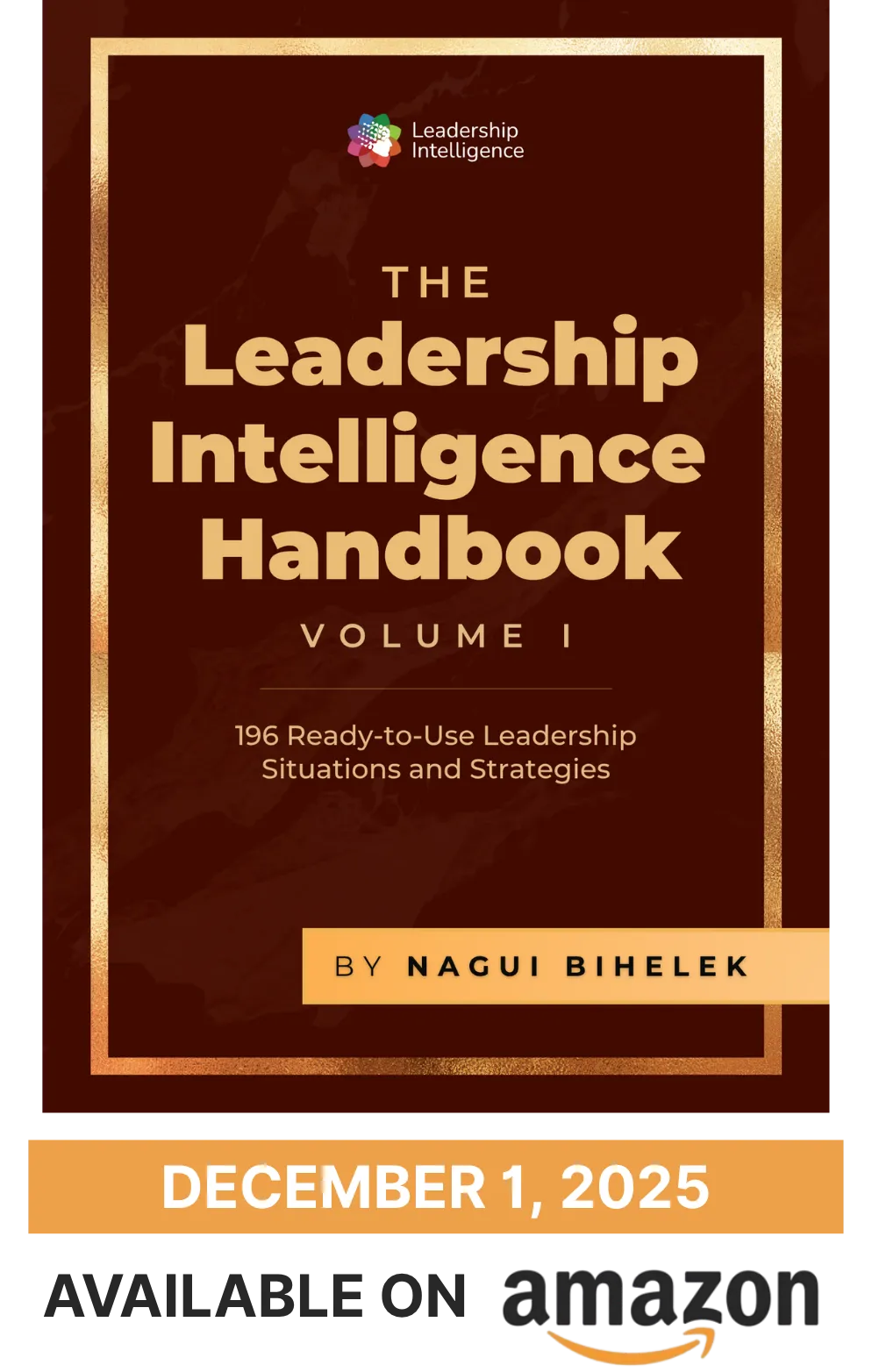
The Leadership Intelligence Handbook
196 Ready-to-Use Leadership Situations and Strategies
A practical field manual to help you coach better, lead smarter, and respond more effectively in real time. Think of it as your go-to behavioral reference guide.
Use it like a thesaurus for leadership moments
Key Focus: Decode and shift behavior quickly—not just understand it
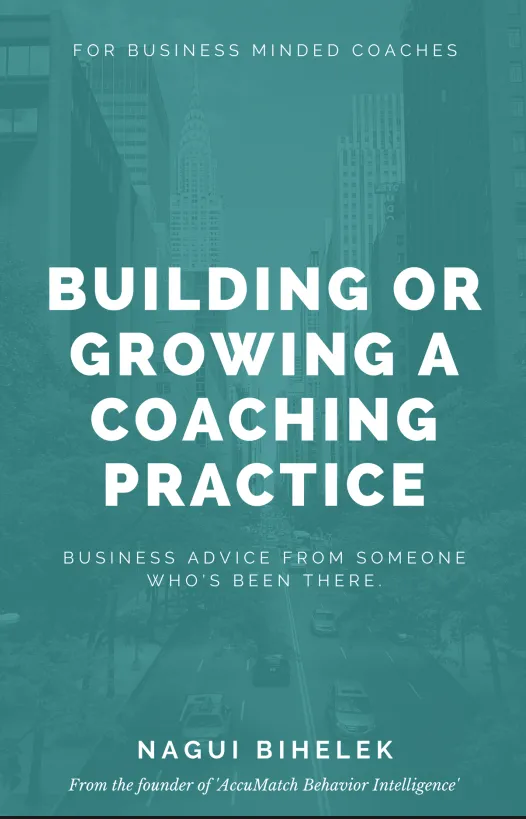
Build a Successful Coaching Practice
Business Advice from Someone Who's Been There
Step-by-step guidance on launching, growing, and sustaining a profitable coaching business, with real examples and BI-based philosophy.
For business-minded coaches seeking structure
Key Focus: Branding, positioning, and scaling for revenue
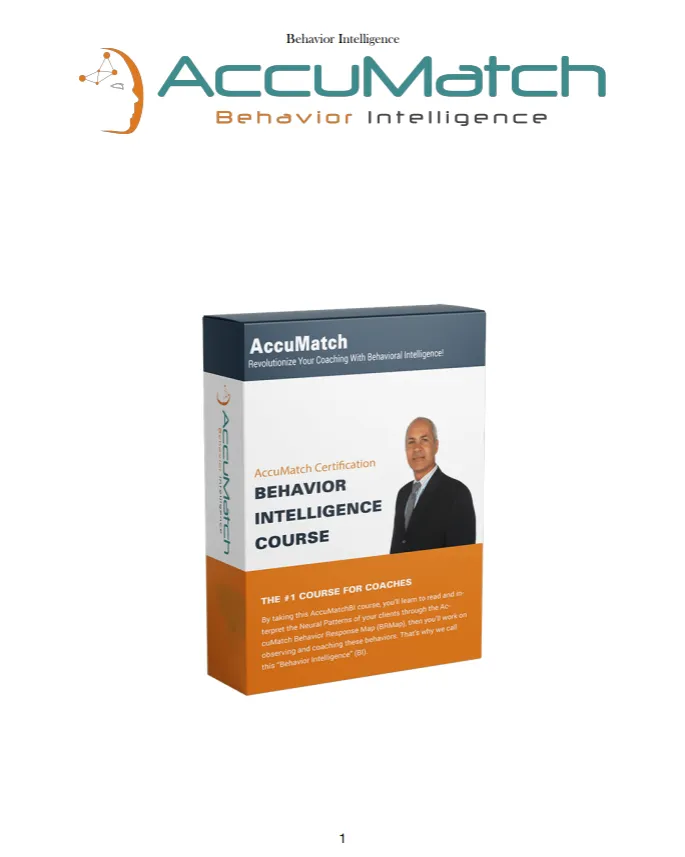
Behavior Science Essentials
Understanding the Difference Between Behavior and Personality
An insightful exploration of why behavior—not personality—is the most actionable tool for coaching. Includes self-assessment and critical contrasts.
Perfect for coaches tired of personality typing's limitations
Key Insight: Behavior is observable, trainable, and situational
Research & Validation Reports
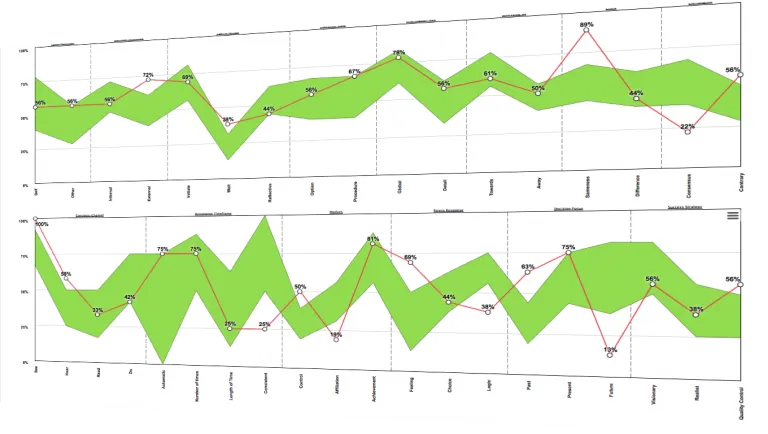
General Evidence & Validity Report
Scientific foundations of AccuMatchBI’s behavioral mapping methodology, including AI, NLP meta-programs, and measurable patterns.
For professional coaches & academics
Corporate Sector Report
Demonstrates impact of behavior intelligence in leadership, HR strategy, and organizational performance.
Ideal for executives, HR leaders, and L&D
Small & Medium Enterprises Report
Focused on how SMEs can reduce friction, boost cohesion, and drive profitability through behavior-based team dynamics.
For founders, small business teams & consultants
Ready to Launch Your Future as a Certified Leadership Intelligence Coach?
Real Coaches.
Real Success.

"I’ve been coaching for over a decade, but the BIQ certification completely changed how I work with clients. Understanding their behavior patterns—not just their feelings—gave me a new level of precision. My client retention and referrals have never been higher."
Lena Morales, Executive Coach
"BIQ helped me launch my coaching business fast—with structure, confidence, and real clients."
David Chan, Former VP
"We rolled out BIQ inside our leadership development program. The impact was immediate. Managers became more self-aware, team dynamics improved, and performance conversations finally got real. It’s not just a certification—it’s a competitive edge."
Rachel Owens, Learning & Development Director, UK
Latest From The Blog
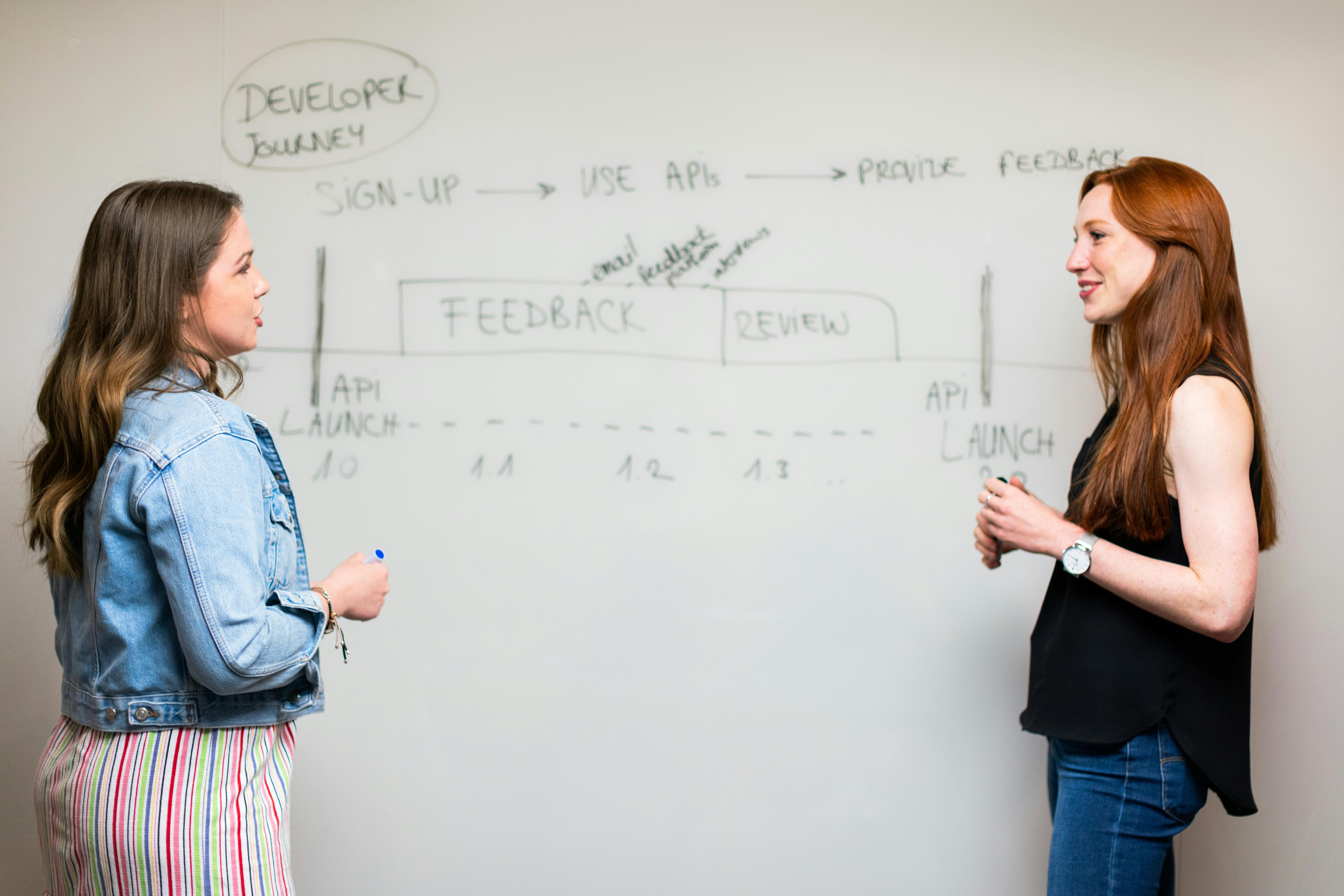
Create Cultures of Feedback Through Behavior
Feedback is not a program. It is not a survey. And it is certainly not a once-a-year conversation.
A true feedback culture is built through behavior—repeated, visible, practiced behavior—until candid communication becomes normal, safe, and expected. When feedback becomes part of how people work every day, organizations shift. Performance improves. Trust deepens. Engagement rises. And culture becomes self-sustaining.
Let’s explore how to build a culture of feedback that actually works.
Feedback Culture Is Built Through Behavior, Not Intentions

Many organizations launch feedback initiatives with enthusiasm—feedback weeks, surveys, platforms, workshops. Yet within a short time, everything returns to silence. Why? Because culture is not created by intention. It is created by repeated behavior.
When feedback is practiced consistently:
It becomes automatic and unconscious
It embeds into daily work
It shifts norms across the organization
Slogans may create awareness, but only behavior creates culture.
Start with a simple audit:
Where does feedback currently happen? (1-on-1s, retrospectives, reviews, client feedback)
How frequent is it?
How timely is it?
Does anything actually change because of it?
Feedback without action destroys trust. Too much feedback, or poorly timed feedback, creates fatigue. The key is intentional, meaningful, behavioral feedback.
Leaders Set the Tone for Feedback Safety
In many organizations, leaders endorse feedback—but rarely ask for it. Feedback flows downward, but not upward. This disconnect kills feedback culture.
People model what they see.
If leaders:
Defend themselves
Avoid vulnerability
Ignore feedback
Then teams will do the same.
But when leaders:
Ask for input
Listen openly
Accept feedback without defensiveness
Act on what they hear
Feedback becomes safe. And safety is the foundation of honest communication.
A simple leadership practice:
Ask your team: What should we improve? What concerns do you see?
Avoid leading questions
Allow open, non-structured feedback
Focus on learning, not validation
When leaders model vulnerability, feedback becomes normal.
Micro-Feedback Loops Drive Real Performance
Annual reviews and quarterly surveys are too slow. Feedback must be frequent enough to guide behavior—but not overwhelming.
Small, consistent feedback loops create continuous improvement.
Simple micro-feedback structure:
What went well?
What could be improved?
Three strengths
Three improvement areas
Short. Clear. Behavioral.
Track participation. Act quickly. Adjust continuously.
Feedback is not an event—it is a rhythm.

Recognize Feedback Behavior, Not Just Results
Most organizations reward outcomes. Few reward the behavior that creates improvement.
A healthy feedback culture celebrates:
People who give feedback
People who receive feedback well
People who act on feedback
Contributors behind the scenes
One powerful approach is rotating Feedback Champions:
Assign a different champion regularly
Encourage participation
Normalize feedback conversations
Build shared ownership
When people co-create the culture, they sustain it.
Tools Enable Feedback—Skills Create Culture
Organizations invest heavily in feedback tools—platforms, surveys, systems. But tools alone do not build feedback culture.
Without behavioral skill, tools become unused software.
Key feedback skills include:
Observing behavior clearly
Asking open, curious questions
Listening actively
Co-creating solutions
Communicating realistically
Following through visibly
When people see their feedback lead to action, trust grows. When nothing happens, feedback dies.
Feedback must be practiced—not just collected.
Feedback Must Be a Shared Responsibility
In many organizations, feedback is seen as “management’s job.” That mindset limits participation and ownership.
A true feedback culture involves:
Leaders
Peers
Teams
Stakeholders
Customers
Every layer of the organization
Map your organization and ask:
Where should feedback exist?
Is it timely?
Is it behavioral—not just KPI-based?
Is it acted upon?
When feedback becomes collective, trust expands. Participation increases. Culture strengthens.
The Real Outcome: Belonging, Trust, and Energy
Feedback is not just about improvement. It is about human experience.
When feedback culture works:
People feel heard
People feel safe
People feel they belong
People feel they matter
People feel they shape the future
This creates energy, enthusiasm, and commitment—far beyond performance metrics.
Common Feedback Culture Traps to Avoid
Many feedback initiatives fail because of predictable mistakes:
Launching short-term feedback campaigns instead of building habits
Leaders promoting feedback but never receiving it
Relying only on annual or formal feedback
Rewarding results, not feedback behavior
Investing in tools without building skills
Limiting feedback to one direction
Feedback culture requires behavior—not announcements.

A Practical Starting Point
If you want to begin building a real feedback culture:
Audit your feedback touchpoints
Model feedback leadership behavior
Introduce micro-feedback loops
Recognize feedback participation
Remove system friction
Build feedback skills
Share ownership across the organization
Small behavioral shifts, repeated consistently, create lasting cultural transformation.
Final Thought
Feedback culture is not sustained by posters, surveys, or policies. It thrives through visible, repeated behavior—modeled by leaders and practiced by everyone.
When feedback becomes natural, organizations become adaptive, resilient, and aligned.
That is the power of behavior-driven culture.
Ready to Build a Behavior-Driven Organization?
If you want to develop leaders, systems, and cultures grounded in Behavior Intelligence, explore the Leadership Intelligence framework and learn how to design organizations where feedback, growth, and performance become natural outcomes.
Apply now. Learn more. Start building behavior-driven culture today.

Subscribe to our Newsletter!
Get the latest insights on coaching, behavior intelligence, & leadership.


Copyright 2025 • All Rights Reserved
Behavior Intelligence Organization is a Division of NLP Profiles Inc.
Terms of Use | Privacy Policy
Subscribe to our Newsletter!
Get the latest insights on coaching, behavior intelligence, & leadership.
Copyright 2025 • All Rights Reserved
Behavior Intelligence Organization is a Division of NLP Profiles Inc.
Terms of Use | Privacy Policy