






Contact Us


Login/Register
Contact Us
Login/Register


Leading Transformation One Behavior at a Time
Transformation is not a launch, a program, or a single decision. In my experience working with leaders and organizations, real transformation is a pattern of repeated behavior. When behavior changes consistently, results follow in culture, performance, and outcomes.
Let me walk you through the core principles that make transformation stick.
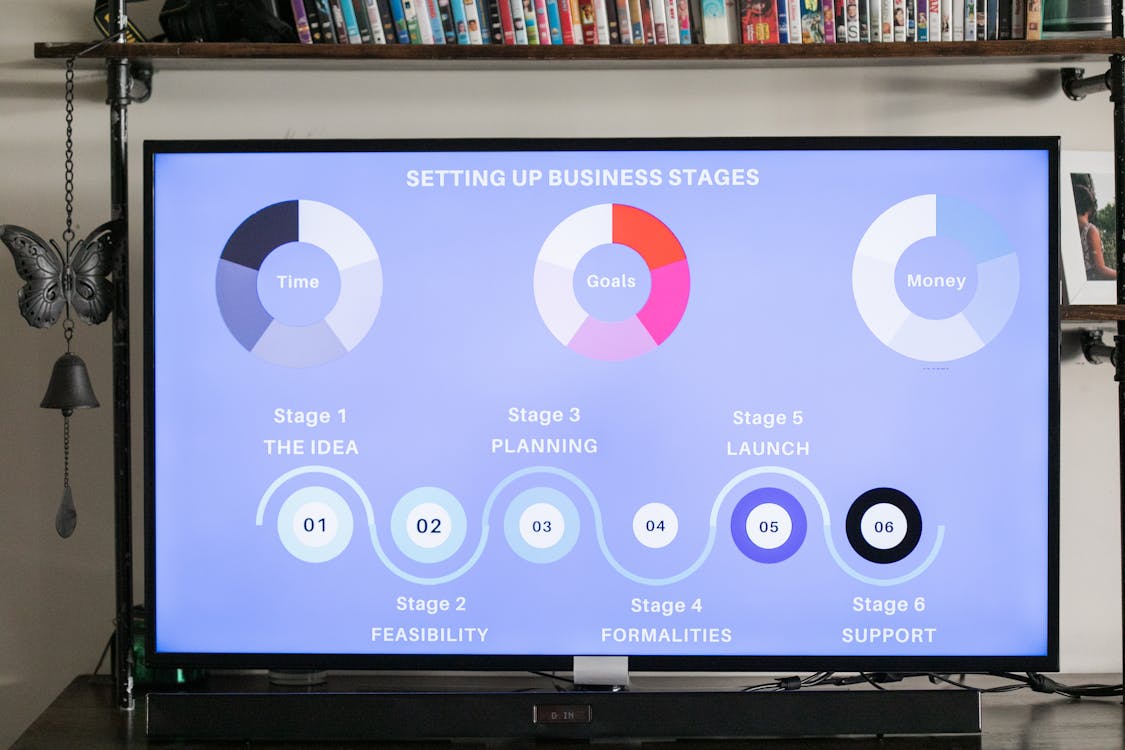
Transformation Is a Pattern, Not an Event
Many organizations treat transformation as a big moment — an announcement, a rollout, a restructuring. But real change happens through repetition. Behavior repeated enough becomes automatic, and automatic behavior becomes culture.
If you want lasting transformation, design for patterns — not launches.

Start With One Behavior
One of the most common mistakes I see is trying to change too much at once. Multiple initiatives create confusion, dilute focus, and increase resistance.
Instead, I always recommend starting with one simple, visible behavior:
Define the outcome you want — then identify the behavior that drives it
Make the behavior easy to repeat
Make it measurable and visible
Reinforce it consistently
Small wins build confidence. Confidence builds momentum. And momentum drives adoption.
Visibility Is Your Amplifier
People adopt what they see working. When behaviors are visible, recognized, and rewarded, change spreads organically.
To accelerate adoption:
Recognize and celebrate the behavior
Create champions who model it
Share progress transparently
Make success visible across the organization
Visibility turns individual success into collective transformation.
Too Much Change Creates Resistance
Resistance is often misunderstood. It is not defiance — it is overload. When people face too many changes at once, their cognitive bandwidth is exceeded and nothing sticks.
Respect human bandwidth:
Avoid launching multiple initiatives simultaneously
Introduce change gradually
Simplify the behavior to its core
Protect each change with a focused window
Pacing is critical to transformation.
Pace Change With a Behavior Cycle
Behavioral transformation requires time and reinforcement. I often use a simple structure:
Build (First 12 Weeks)
Focus on one behavior. Train it, repeat it, and create early wins.
Stabilize (Following Months)
Continue measuring, reinforcing, and preventing regression.
Sustain (Long-Term)
Ensure the behavior remains embedded and does not revert.
Transformation is not about speed. It is about stability and repetition.

Sustainability Beats Speed
Many transformations fail after launch because behavior is never embedded. Change must be woven into daily systems, processes, and routines.
Focus on:
Measuring behavior, not just outcomes
Mapping how behavior interacts with processes
Identifying friction and bottlenecks
Reinforcing repeatedly over time
If behavior is not embedded, transformation fades.
Master One Behavior, Then Scale
Across industries, meaningful change often begins with mastering just one behavior. Once that behavior is stable and visible, additional behaviors can be layered successfully.
Do not scale first. Stabilize first.
Shift the Leadership Mindset
Do not fear resistance — understand it. Resistance reveals where behavior, systems, or pacing are misaligned. When leaders understand behavior, they can design change that people actually adopt.
Transformation is not about forcing change. It is about designing behavior intentionally.
Common Pitfalls to Avoid
Launching too many initiatives at once
Celebrating the rollout instead of long-term sustainability
Ignoring behavioral measurement
Keeping change invisible
Moving too fast without embedding
Transformation fails when behavior is ignored.
Start Here
Ask yourself:
What single behavior could create the biggest impact in my organization?
Where might we be overwhelming people?
Are we sustaining change — or just launching it?
Pick one behavior. Make it visible. Reinforce it. Sustain it. Then scale.
Ready to Lead Real Transformation?
If you want to turn behavioral insight into measurable leadership and organizational impact, take the next step.
Learn the methodology. Apply it. Lead transformation — one behavior at a time.

Subscribe to our Newsletter!
Get the latest insights on coaching, behavior intelligence, & leadership.


Copyright 2025 • All Rights Reserved
Behavior Intelligence Organization is a Division of NLP Profiles Inc.
Terms of Use | Privacy Policy
Subscribe to our Newsletter!
Get the latest insights on coaching, behavior intelligence, & leadership.
Copyright 2025 • All Rights Reserved
Behavior Intelligence Organization is a Division of NLP Profiles Inc.
Terms of Use | Privacy Policy